
Ukraine’s New Power Play: From NATO Burden to Battlefield Tech Powerhouse
Ukraine emerges as a key defense tech ally, sharing intelligence and advanced drone technology to counter Russian and Iranian aggression.

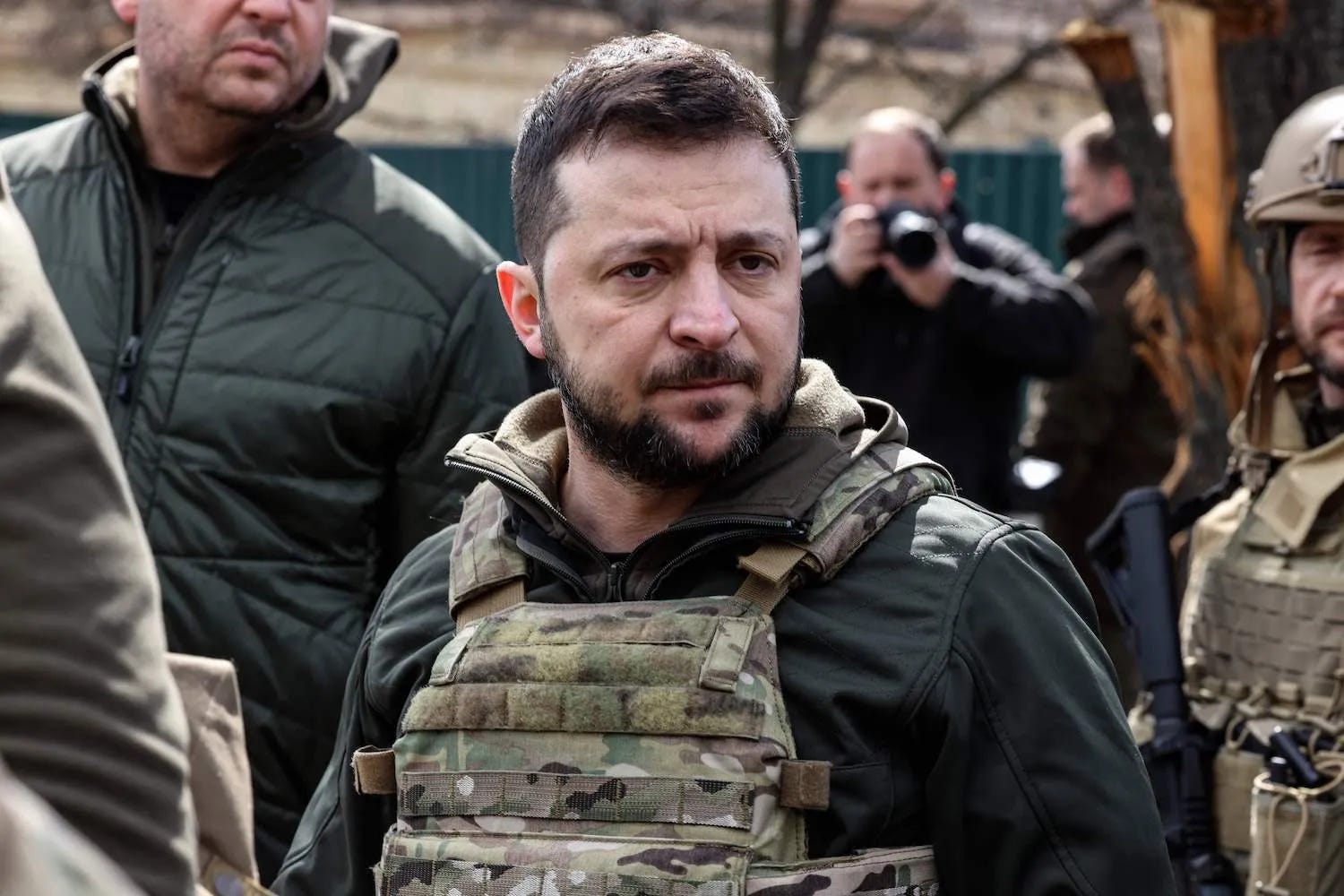
This Newsweek.com article argues that Ukraine is rapidly becoming the type of NATO ally Donald Trump says he wants: one that takes primary responsibility for its own defense, invests heavily in its military capabilities, and offers tangible strategic value to the United States rather than just seeking aid. Long treated in Trump-era rhetoric as a financial burden, Ukraine is reframing itself as a frontline partner that can both fight and innovate.
A central example is Kyiv’s growing role in the conflict with Iran. Despite being locked in a grinding, full‑scale war against Russia, Ukraine launched a long‑range strike against a vessel it says was moving Iranian‑linked military cargo in the Caspian Sea, and publicly offered to share intelligence with Washington about Russian satellite surveillance that allegedly helped Iran target U.S. bases in the Gulf. Iran’s furious response, including public denunciations on X and official statements denying involvement in the Russia‑Ukraine war, ignores the fact that Iranian‑designed drones have long been used by Moscow to pound Ukrainian cities.
The article contrasts Ukraine’s readiness to act against Iranian interests and share actionable intelligence with what it portrays as Europe’s reluctance to send forces or strike Iranian assets, despite repeated U.S. pressure. European governments are finally ramping up defense spending and rebuilding their arms industries, but in the short term remain dependent on American systems. Ukraine, by contrast, is positioning itself as a co‑producer and exporter rather than just a recipient of U.S. support.
A key pillar of this new posture is a bilateral framework that pairs Ukraine’s hard‑earned battlefield experience and cutting‑edge drone technology with the scale of the U.S. defense industrial base. Under a recently signed statement of intent, Ukrainian air, land, and maritime drones can be exported to the U.S. for testing, evaluation, and possible inclusion in the Pentagon’s “Drone Dominance” program, potentially leading to joint manufacturing on American soil. Ukraine is already ahead of Washington here, having struck multiple drone‑export and joint‑production deals with the EU, individual European states, and Canada.
Beyond hardware, Ukraine is exporting expertise. After Iranian missiles and drones struck bases and energy facilities across Gulf states, Kyiv dispatched hundreds of drone and air‑defense specialists to help Saudi Arabia, the UAE, Qatar, and others bolster their defenses. The country still needs systems like Patriot from the U.S., but its problem is scale, not skill: it is offering knowledge, technology, and licensing, not just asking for free missiles.
The article acknowledges the danger that Ukrainian strikes on Iranian‑linked targets could further entangle the European and Middle Eastern wars, potentially complicating U.S. policy and giving Moscow and Tehran propaganda material to paint Kyiv as an aggressor. But it argues that, from Ukraine’s vantage point, those risks change little: it is already fighting a war of national survival against Russia and already suffering from Iranian‑supplied drones. Pushing back on Iran is therefore both self‑defense and a way to show Washington that helping Ukraine directly contributes to confronting a broader adversarial network linking Moscow and Tehran.
Ultimately, the author contends that the traditional way of assessing Ukraine—as a net financial drain on America—is now out of date. Ukraine is becoming a source of technology, operational experience, intelligence, and deterrent capacity that benefits the U.S. and its partners. If Trump truly wants allies who fight their own wars, invest in their own weapons, share intelligence, and help pressure America’s enemies, the piece concludes, he already has one in Ukraine.
#UkraineWar #NATO #USForeignPolicy #IranConflict #DefenseIndustry #Trump