
The Warning Signs Are Flashing Red—Is Anyone in the White House Paying Attention?
A sharp look at the warning signs facing the White House ahead of the 2026 midterms—from sinking approval ratings and policy missteps to shifting alliances and the real risks for both parties.

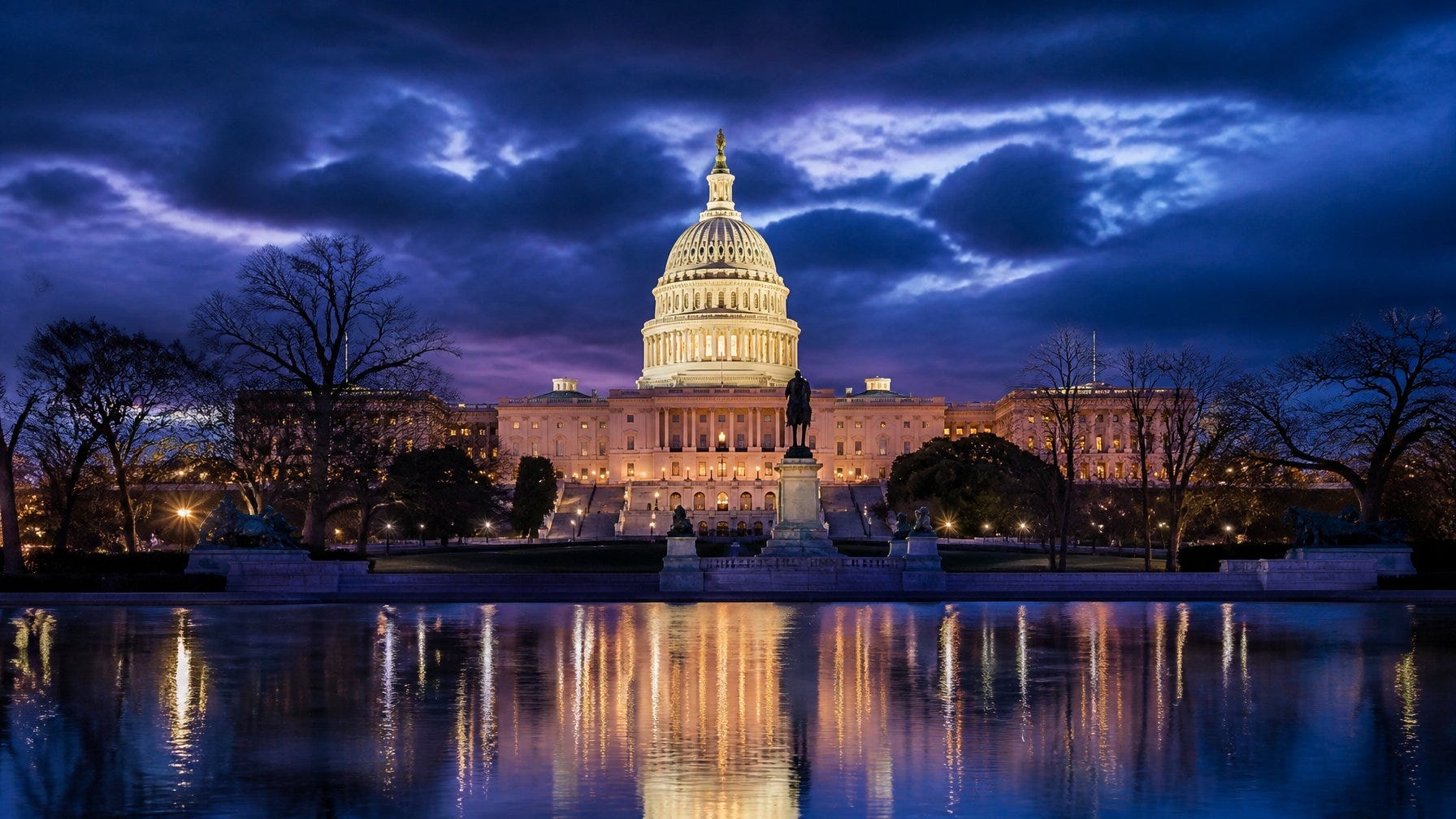
There’s an old saying in politics: the party in power always mistakes its last win for a permanent mandate. President Trump and the Republican Party seem eager to prove that again—and the reckoning may come in November.
Let’s start with a number that should be setting off alarms in the West Wing: a net approval rating of about -30 points. (Trump Approval Rating 2026 — Monthly Tracker & Historical Comparison, 2026) That’s not just a bad week or a rough news cycle.
That kind of sustained deficit ends congressional majorities, sinks careers, and turns safe seats into nail-biters. The renewed conflict with Iran hasn’t helped; if anything, it’s reminded a war-weary public why they’re skeptical of endless foreign entanglements in the first place.
Meanwhile, Democrats are up by five points on the generic congressional ballot. (Lotz, 2025) In today’s political climate, that margin—plus the usual midterm backlash against the party in power—could flip the House and put the Senate in play. Republicans don’t need fancy data to see this; they can look at the faces of their own colleagues announcing retirements.
Key Takeaways:
The White House faces a rapidly deteriorating political environment, with approval ratings at historic lows and warning signs ignored.
Self-inflicted policy decisions—such as cutting drug subsidies for seniors and funding controversial projects—have alienated crucial voting blocs.
Senate Republicans are leveraging the president’s weakness, signaling a shift in party unity and power dynamics.
Outside money from tech interests and Democratic infighting create unpredictable dynamics heading into the midterms.
Outside money from tech interests and Democratic infighting create unpredictable dynamics heading into the midterms.
Republicans on the ballot must act independently and address local concerns to survive in a challenging election year.
The Self-Inflicted Wounds
What’s really striking isn’t just the hostile political environment—those happen. It’s how enthusiastically the administration seems to be making things worse for itself.
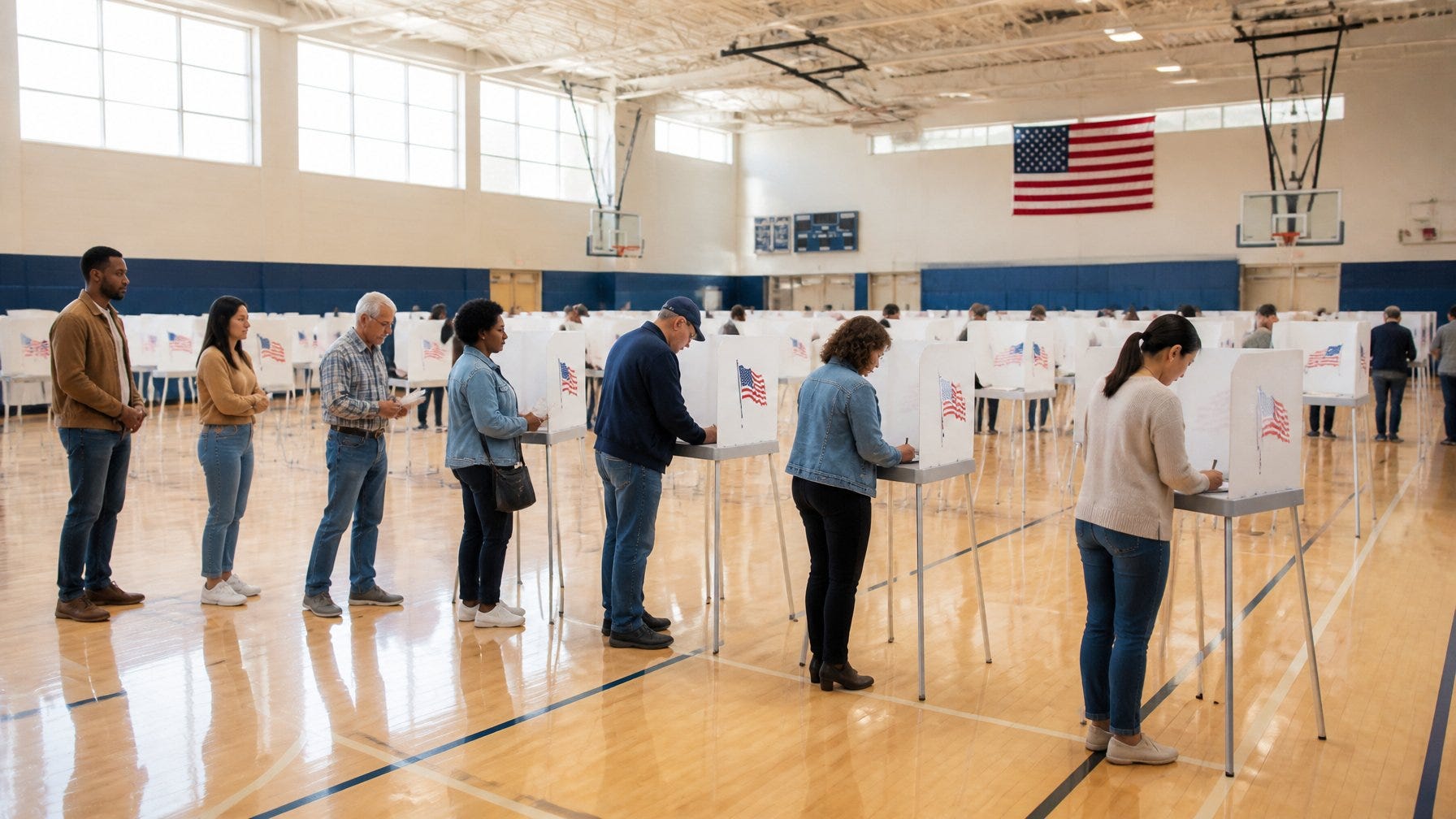
Decide to end prescription drug subsidies for 25 million seniors. (Trump administration ends key Medicare drug subsidies, 2026) Forget the policy merits for a second—look at the politics. For many, this means out-of-pocket drug costs could rise by hundreds of dollars a year, and some may even be forced to skip needed medications entirely. (Out-of-Pocket Prescription Drug Cost Tracker, 2024) Seniors vote, and they turn out in midterms at rates other groups only dream of. (Senior Voters in 2026: The Most Decisive Demographic, 2026) They notice when their medication costs go up, and they don’t need a cable news chyron to know who’s to blame. No focus group in America would have signed off on this. No swing-district Republican wanted this fight.
Then there’s the $22 billion set aside for Dulles Airport renovations—a number Democrats will feature in attack ads for years. (Trump announces a $22.5B makeover of Dulles airport that will eliminate the ‘people movers’, 2026) The administration argues the funding is meant to modernize critical infrastructure and boost job growth in the region. Still, the optics of a giant airport project landing at the same time as seniors are hit with higher drug costs is the contrast political consultants dream about.
And then there’s the fight with Senate Republicans over tax audit protections for the president. This is telling; it reveals the administration’s priorities in a nutshell. Faced with a choice between shoring up a fragile majority or securing a personal legal favor, the White House picked the latter—and started a public fight with the very senators it needs to get things done.
The Cornyn-Tillis Problem
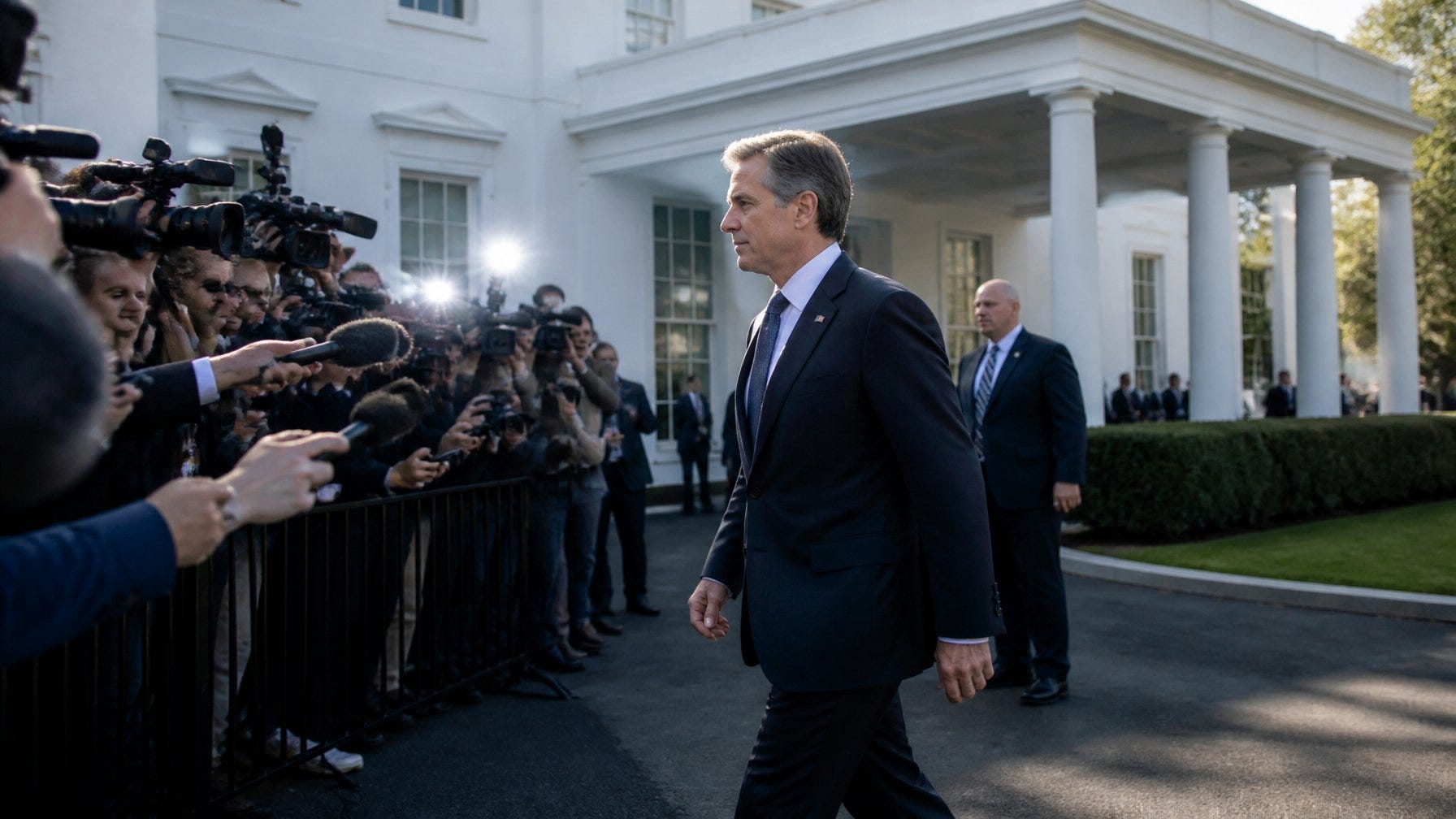
Which brings us to Todd Blanche, whose Attorney General nomination is stalled while Senators Cornyn and Tillis hold out for concessions. The president’s reported move—to delay the nomination until after the midterms—is either a bluff or a sign of defeat. Neither option looks good.
But the bigger story isn’t Blanche himself. It’s that Senate Republicans have realized they have leverage—and that using it costs them nothing. When a president’s approval is thirty points underwater, the threat of a primary endorsement loses its bite. Cornyn and Tillis aren’t rebels; they’re just doing the math. They’ve figured out that keeping some distance from the White House is now an asset, not a liability.
Once that math catches on—and it spreads fast—a presidency becomes a lame duck two years early.
The Things Nobody Is Talking About
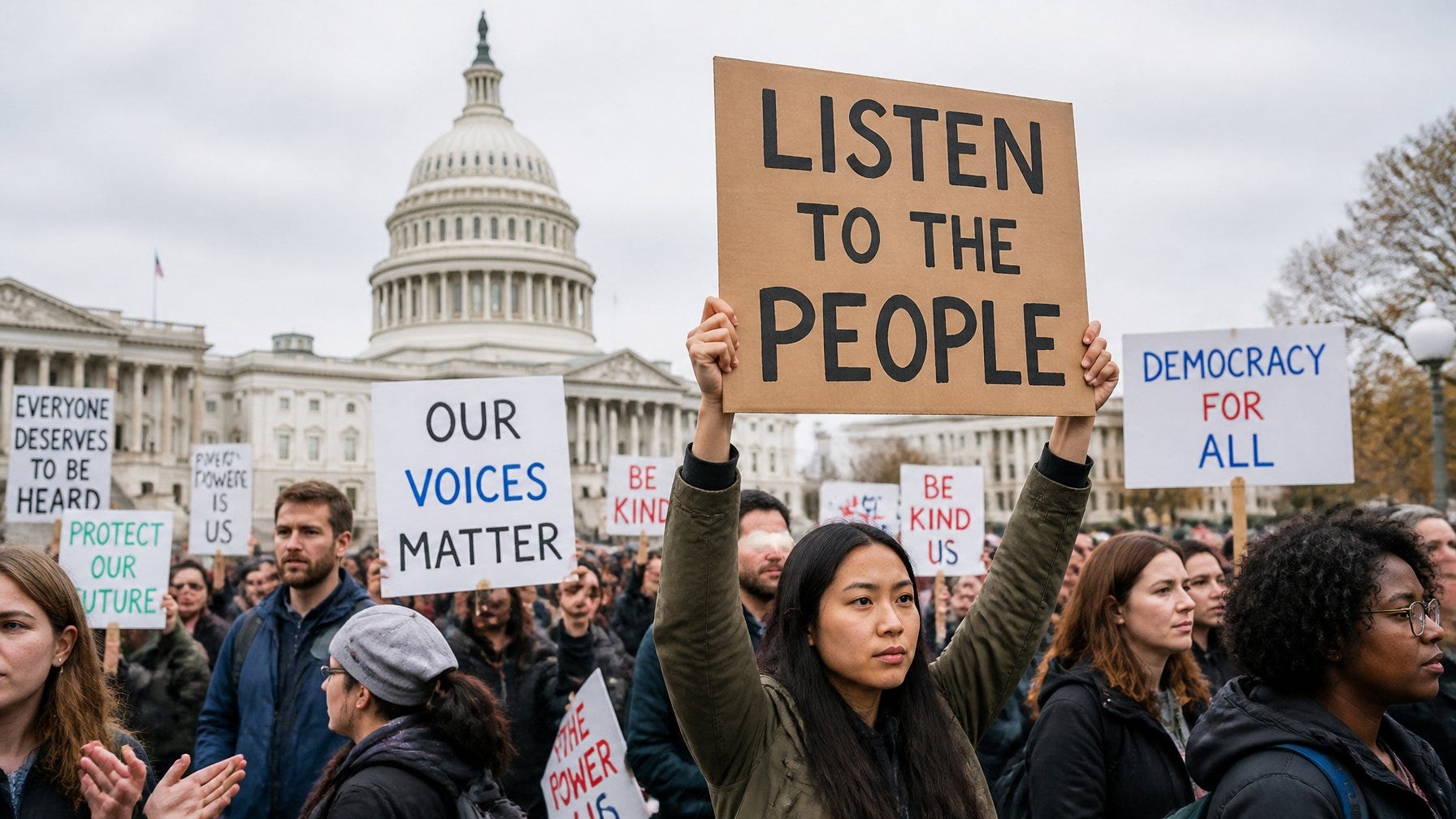
Beneath the daily noise, two developments deserve more attention than they are getting.
First, there’s a flood of money from tech-focused super PACs pouring into congressional races. Silicon Valley companies have decided the next Congress will shape their future, and they’re spending big. Take, for example, Representative Emily Sanders in Ohio’s 15th District, who has received nearly a million dollars in support from Forward Progress, one of the biggest tech-funded groups.
(Vandewalker, 2024) In California’s 10th, GOP challenger Mark Stinson’s campaign is being boosted by ads from Innovate Now, which counts several top tech CEOs as major donors. (Allison & Birnbaum, 2026) And in Nevada’s Senate race, Senator Beltran has drawn headlines for his ties to Digital Future PAC. (Nevada Senate Democrats - Nevada Committee - Transparency USA, 2024) But here’s the catch: this money is moving against public sentiment.
Voters are getting more skeptical of new technology, not less—they’re worried about jobs, their kids, and a wave of change nobody can quite explain. (Gracia, 2024) Candidates who take the cash may regret it when they have to explain themselves.
Second, there’s the Democrats’ own dysfunction. Infighting over DNC Chair Ken Martin is a reminder that the opposition is far from a well-oiled machine. Throw in messy primaries in Pennsylvania, Tennessee, Michigan, and Ohio, and you’ve got a party that could easily fumble a historic opportunity through pure disarray.
Democrats have done it before—recently, in fact. Just look at the 2022 New York gubernatorial and House races, where last-minute infighting and an uncoordinated campaign approach led to a series of surprising losses in traditionally safe districts. (2022 New York gubernatorial election, 2022) That kind of disunity can turn a winning map into a missed opportunity almost overnight.
The Question That Matters
So, back to the big question: Does the president not realize how bad things are—or does he not care?
Maybe he’s playing a long game—maybe he sees that the fundamentals of American politics have changed, that traditional polling misses his coalition, and that bold moves now will pay off later. He’s been underestimated before, and people who did so have paid for it.
Or maybe he’s stopped weighing the costs. A president in his final term, surrounded by media that echo his views, can lose the feedback loop that keeps politicians connected to voters.
Republicans on the ballot this November don’t have the luxury of waiting to see which it is. They can build their own case, establish their own brands, and brace for a wave—or they can hope the man at the top of their party notices the water rising. To shift the tide, GOP candidates should consider taking clear stands that set them apart from unpopular national decisions.
For example, a Republican in a swing district might publicly distance themselves from the prescription drug subsidy cuts, pledging to protect seniors’ benefits and proposing legislation to offset rising costs. Others could champion oversight and transparency measures—calling for independent audits or ethics reforms—to demonstrate accountability to frustrated voters.
By focusing on local issues and pragmatically breaking with the national party when needed, Republicans can show constituents that they put community interests over partisan loyalty.
History suggests that hope is a lousy strategy.
Hashtags: #Election2026, #WhiteHouseWatch, #Midterms, #PoliticalAnalysis, #PowerShift, #VoterVoices