
Executive Pragmatism vs. Moral Populism: How Andy Beshear and James Talarico Illuminate the Democratic Path in Red States
Explore how Andy Beshear and James Talarico showcase different Democratic strategies for winning hearts and minds in conservative-leaning states.

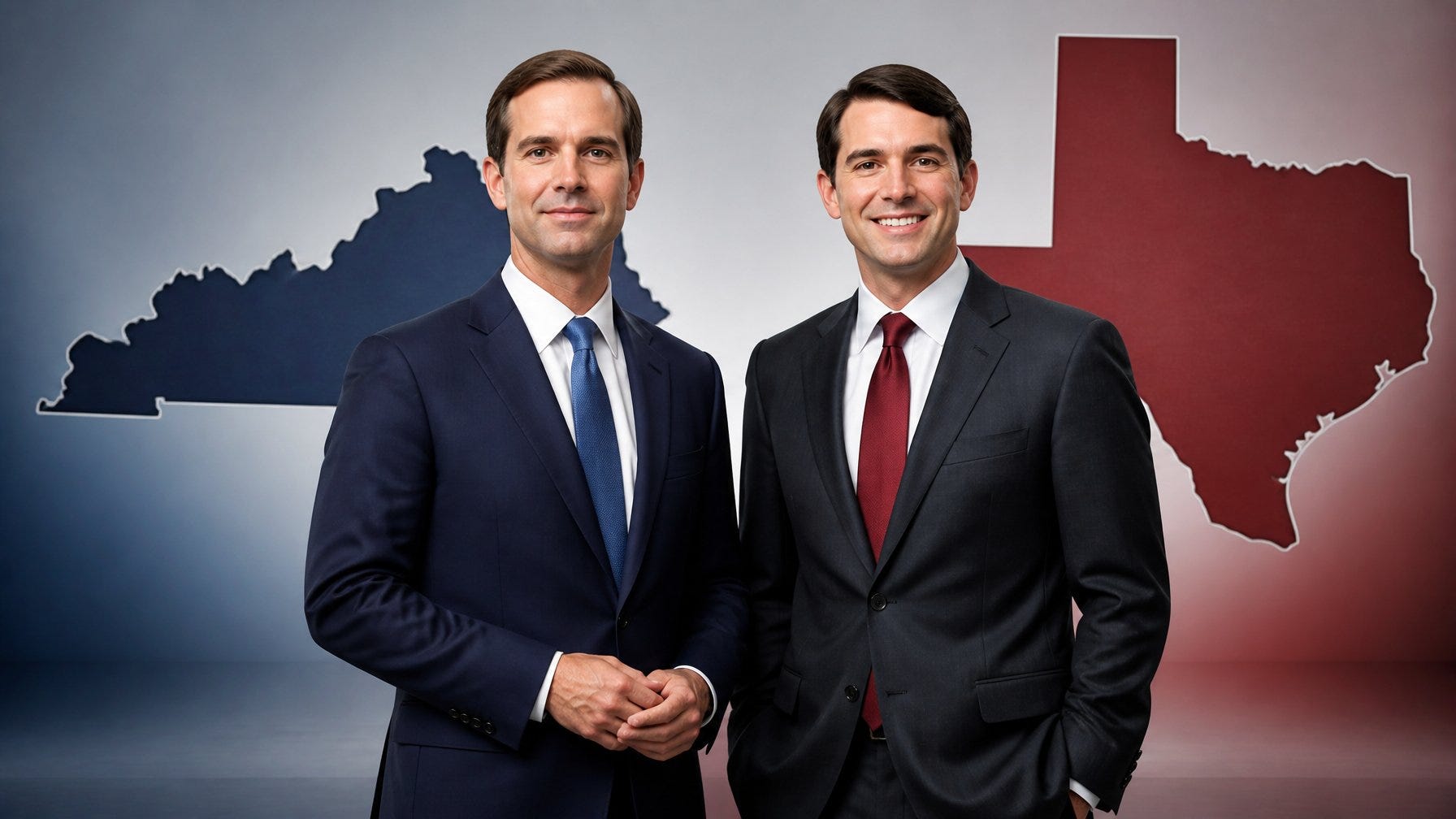
The Democratic Party’s ongoing challenge in conservative-leaning states is to balance pragmatic governance with bold ideological vision. Two rising stars, Kentucky Governor Andy Beshear and Texas State Representative James Talarico, exemplify how Democrats can carve a path to relevance, and even dominance, in regions where Republican orthodoxy prevails. Despite both leveraging faith, empathy, and a working-class appeal, Beshear and Talarico embody distinct approaches—one rooted in executive pragmatism and bipartisan credibility, the other in moral populism and progressive reform. Their contrasting trajectories offer a window into the future of Democratic strategy in red America.
Profiles in Contrast: Beshear and Talarico at a Glance
Andy Beshear stands as the embodiment of mainstream, pragmatic reform. A seasoned attorney and two-term governor, he has navigated Kentucky’s political terrain with steady crisis management and a focus on “kitchen-table” issues. Facing a veto-proof Republican supermajority, Beshear’s approach is methodical and conciliatory, emphasizing economic development, public school investment, and infrastructure improvements. He is the archetype of a “neighbor-in-chief”—a leader who reassures and unites, rather than divides.
James Talarico, by contrast, is a legislative insurgent in the heart of Texas. A middle-school teacher-turned-state representative, Talarico brings a progressive, faith-infused populism to his advocacy. He champions sweeping reforms—universal healthcare, dramatic teacher pay raises, and stringent anti-corruption measures. Through viral speeches and digital organizing, he reframes the political discourse, connecting with young voters, teachers, and religious moderates disillusioned with both parties. His brand is moral confrontation, framed explicitly through Christian values and economic justice.
Policy Approaches: Tangible Governance vs. Systemic Reform
Tangible, deliverable outcomes anchor Beshear’s policy portfolio. He has expanded Medicaid under the Affordable Care Act, invested heavily in public schools, and prioritized economic revitalization through infrastructure projects such as bridge construction and rural broadband. His social policy positions are moderate, often justified through the lens of personal freedom and economic security—supporting medical cannabis legalization and basic safety nets, while carefully navigating more polarizing cultural debates.
Talarico, meanwhile, aims to overhaul the system itself. His “Medicare for Y’all” proposal seeks to guarantee universal healthcare in Texas. At the same time, his education platform calls for a $15,000 pay increase for teachers—a transformative sum in a state where educators are often underpaid. He pairs these ambitions with calls for institutional reforms: banning members of Congress from trading stocks, enacting term limits, and reforming the filibuster. Talarico’s policy vision is unapologetically bold and often contrasts sharply with the incrementalism favored by moderates like Beshear.
Leadership Styles: Crisis Management and Coalition Building
As Kentucky’s chief executive, Beshear’s leadership has been tested by real-world emergencies. His deft response to the COVID-19 pandemic, devastating tornadoes, and historic flooding has won bipartisan respect. Beshear’s daily briefings and transparent communication have fostered trust, even among skeptics. His power, however, is circumscribed by a Republican-dominated legislature, requiring him to rely on executive orders, strategic vetoes, and high-profile economic announcements to shape policy.
Talarico’s influence, conversely, is rooted in persuasion and coalition-building within a legislative body where Democrats are outnumbered. Lacking executive authority, he uses committee hearings, public speeches, and social media to challenge entrenched interests and rally support across the aisle on specific bills. Talarico’s rhetorical style is passionate and moralistic, framing politics as a battle between working families and billionaire-backed elites.
Personal Appeal: The Neighbor-in-Chief vs. the Crusader
Beshear’s personal appeal lies in his calm, reassuring demeanor. He projects a paternal, traditional image—frequently visiting rural communities, disaster sites, and factory floors. His “Team Kentucky” rhetoric emphasizes unity over partisanship. This approach resonates with voters seeking stability and continuity, particularly in times of crisis.
Talarico, on the other hand, channels the energy of a preacher and educator. Drawing on his background in teaching and theology, he invokes Christian teachings—especially the imperative to “love thy neighbor”—to reframe progressive politics as a moral mission. His communication style is direct and emotionally charged, connecting with those alienated by both establishment politics and right-wing Christian nationalism.
Integrity and Public Trust
Both Beshear and Talarico have cultivated reputations for integrity, though via different routes. Beshear’s tenure as Kentucky’s Attorney General saw him challenge executive overreach and defend public pensions, bolstering his image as a principled institutionalist. His transparency during crises further cemented his trustworthiness, though critics sometimes view him as overly cautious or lawyerly.
Talarico’s authenticity stems from personal vulnerability and a strict rejection of corporate PAC money. He speaks candidly about his upbringing, spiritual journey, and experiences as a public school teacher. This transparency, coupled with his anti-corporate stance, reinforces his populist credentials. Skeptics may question whether his viral moments are calculated, but his refusal of big-donor influence is hard to dispute.
Grassroots Engagement: Old-School vs. Digital Mobilization
Beshear’s grassroots connection is built on traditional retail politics—face-to-face interactions, constituent services, and consistent presence in rural areas. He leverages the machinery of state government to deliver resources directly to communities, reinforcing his “hands-on” leadership.
Talarico, in contrast, marries digital engagement with community organizing. He harnesses social media, podcasts, and viral video clips to spread his message beyond Texas, building a multi-state network of supporters. His focus is on “top vs. bottom” solidarity, uniting working-class voters and young activists across ideological divides.
Fundraising: Institutional Might vs. Grassroots Energy
Beshear’s fundraising prowess is formidable, drawing upon national Democratic donors, labor unions, and business leaders. His Political Action Committee, “In This Together,” leverages institutional networks to power high-stakes statewide campaigns. In a red state like Kentucky, this broad financial base is crucial for electoral success.
Talarico relies primarily on small-dollar contributions from a passionate grassroots base. By eschewing corporate PAC funds, he amplifies his anti-corruption message and ensures independence. His war chest may be smaller than a governor’s, but his fundraising efficiency per event is notable, especially given the constraints of state legislative races.
Implications for the Democratic Party
The contrasting strategies of Beshear and Talarico illuminate two viable pathways for Democrats in conservative states. Beshear’s model—steady, crisis-tested, and pragmatically moderate—shows how Democrats can win executive office and govern effectively by prioritizing competence and coalition-building. His example suggests that, in many red states, voters value stability, economic progress, and a sense of shared community over ideological purity.
Talarico, on the other hand, demonstrates that there is space—even in the heart of Texas—for a bold, unapologetic progressivism rooted in moral conviction and generational change. His success in connecting with young voters, religious moderates, and working-class communities signals the potential for Democrats to expand their coalition by reframing the values debate and leveraging digital media.
Bridging the Divide: Points of Convergence
Despite their differences, Beshear and Talarico share important commonalities. Both ground their politics in faith and empathy, rejecting the cynicism that often characterizes modern political discourse. Both emphasize the importance of public education and economic opportunity, albeit through different means. Their success underscores the value of authenticity, grassroots engagement, and a willingness to challenge the political status quo.
Conclusion: Lessons for the Future
The stories of Andy Beshear and James Talarico offer lessons for Democrats seeking to compete in conservative territory. Beshear’s executive pragmatism and crisis management provide a blueprint for electoral viability and effective governance. Talarico’s moral populism and digital activism highlight the transformative potential of a politics rooted in justice, faith, and generational renewal.
For the Democratic Party, the path forward may not be a choice between these approaches, but rather a synthesis—melding the steadiness of executive leadership with the energy of grassroots movements. As the political landscape continues to shift, the examples set by Beshear and Talarico will shape the party’s fortunes in red America for years to come.
Hashtags:
#AndyBeshear #JamesTalarico #Democrats #RedStates #PoliticalStrategy #MoralPopulism #ExecutivePragmatism #USPolitics