
Breaking the Chains: How Next-Gen Inventory Management Will Save Your Business
How Next-Gen Inventory Management Will Save Your Business, The Silent Killer: Inventory Debt Drag, Why Manual Logistics Is Failing Us, The Cost of Siloed Operations, From Silos to Synchronized Systems


Breaking the Chains: How Next-Gen Inventory Management Will Save Your Business
Have you ever wondered why some companies seem to scale effortlessly, while others feel like they’re slogging through mud? If you’ve ever spent a sleepless night worrying about missed shipments, stockouts, or watching profit margins slowly evaporate, you’re not alone—and you’re not imagining things. The invisible handbrake on your business might not be your product, your sales team, or even your marketing. It’s likely something much more fundamental: the way you move, store, and manage your inventory.
Let’s talk about a problem almost nobody wants to admit out loud: most organizations—especially those in the middle market—are stuck in the past when it comes to logistics. They’re running their operations on manual processes, fragmented systems, and a patchwork of spreadsheets. The result? Sluggish throughput, inaccurate data, unhappy customers, and, ultimately, lost revenue.
The Silent Killer: Inventory Debt Drag
You’ve probably heard the phrase “supply chain issues” thrown around a lot lately. But what if I told you that what’s really happening is deeper and longer-lasting than a temporary hiccup? There’s a phenomenon experts are calling “Inventory Debt Drag.” It sounds technical, but it’s actually pretty simple: it’s the silent friction that slows down everything in your business, from receiving raw materials to shipping finished products out the door.
Think of Inventory Debt Drag like a slow leak in your car’s tire. Day-to-day, you might not notice much. But over weeks and months, your fuel economy tanks, your ride feels bumpier, and eventually, you’re stuck on the side of the road. In business terms, Inventory Debt Drag quietly erodes your ability to scale, burns up the mental energy of your team (your “Cognitive Operating Runway”), and chips away at your reputation with customers.
Why Manual Logistics Is Failing Us
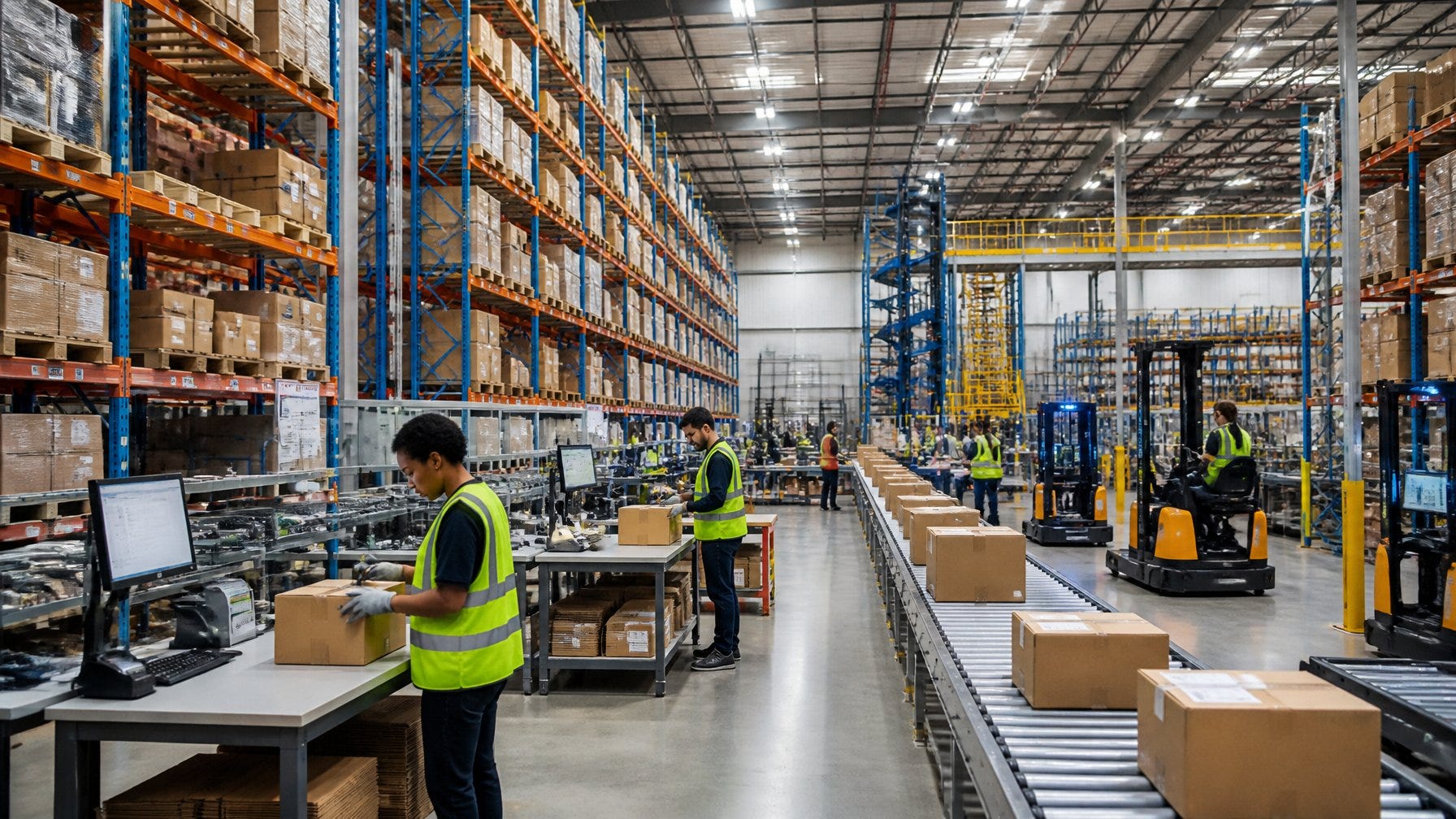
Picture your warehouse or distribution center. Are people walking around with clipboards? Is someone updating a spreadsheet while another person radios in to check if an item is in stock? Maybe you have different departments that don’t talk to each other, except by frantic phone call when something goes wrong.
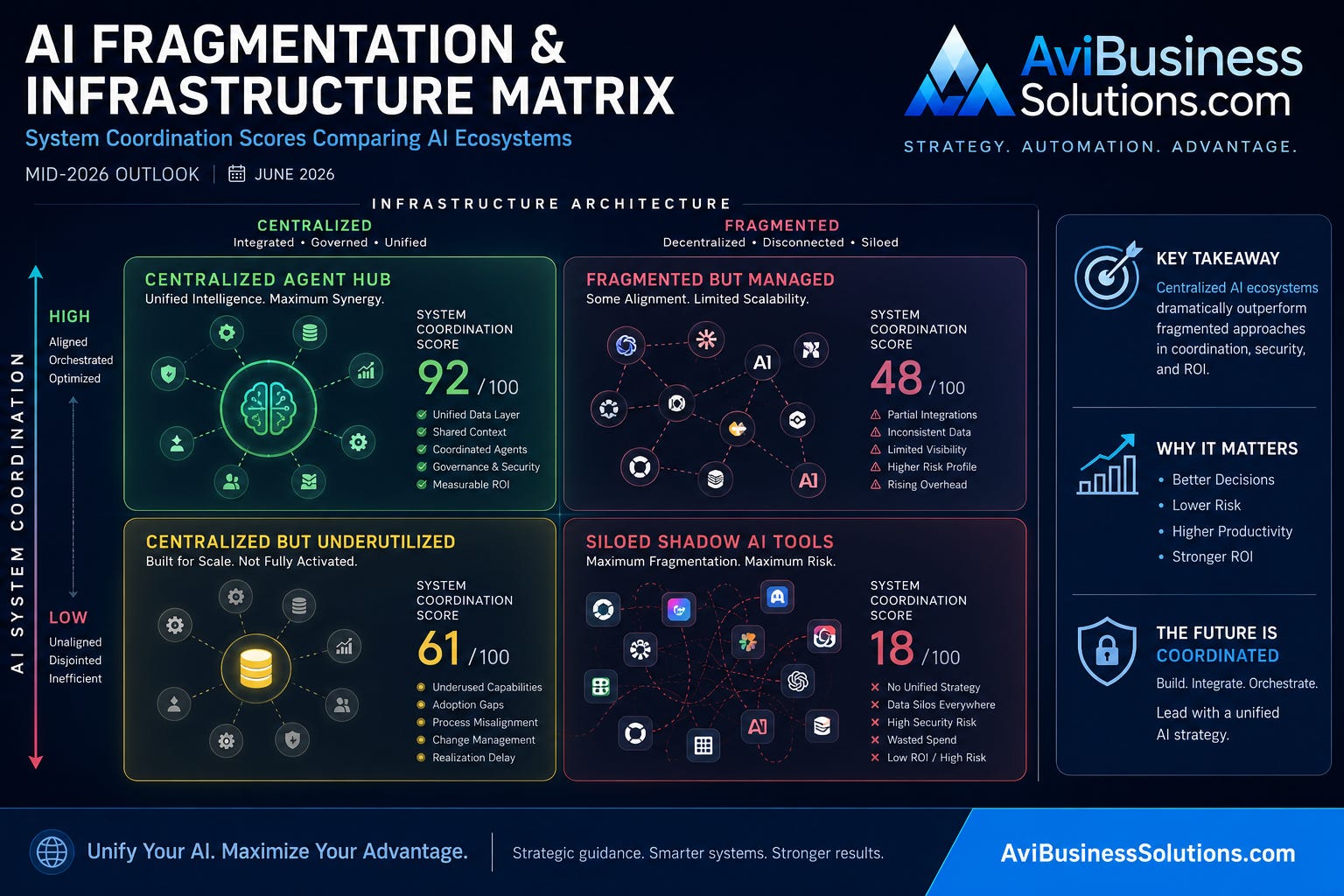
This is what we call “Transactional Logistics Silos.” It’s a fancy way of saying that everyone is doing their own thing, in their own little world, with no bigger picture. Everyone is working hard, but not together. The data is fragmented, the processes are inconsistent, and mistakes fall through the cracks. If you’ve ever had to apologize to a customer for a late order—even when you thought you had plenty of stock—you’ve felt the pain of this system.
The Cost of Siloed Operations
Let’s break down what’s really at stake:
Velocity Loss: You can’t move goods as quickly as you need to. Every hand-off, every manual check, every “just to be sure” recount adds up.
Data Integrity: When your numbers live in silos, nobody trusts them. That means more double-checking, more delays, and more costly mistakes.
Profit Margins: Extra labor, expedited shipping to correct errors, lost sales due to stockouts, and excess inventory all eat into your bottom line.
Customer Retention: One bad experience can send even your most loyal customers running to a competitor.
The Breakthrough: From Silos to Synchronized Systems

There’s a better way, and it’s not just for the Amazons and Walmarts of the world. The secret is moving from manual, transactional silos to what experts call a “Deterministic Continuity Pathway.” Don’t let the jargon scare you—it’s about making sure every part of your fulfillment and inventory process is connected, automated, and transparent.
Introducing the Inventory Velocity Moat Matrix
What if you could build a moat around your business—not just to keep competitors out, but to keep inefficiency, mistakes, and chaos at bay? That’s the idea behind the Inventory Velocity Moat Matrix. It’s a system that lets you:
Automate routine tasks so your team can focus on solving real problems
Connect every step of your supply chain, from raw material intake to outbound fulfillment.
Generate real-time data that everyone can trust.
Anticipate problems before they happen rather than reacting to them.
This approach doesn’t just sound good on paper. Companies that implement these systems see faster order fulfillment, fewer mistakes, happier customers, and healthier profit margins. And the best part? These tools are more accessible than ever—no seven-figure IT budget required.
What Does the Inventory Velocity Moat Matrix Look Like in Action?
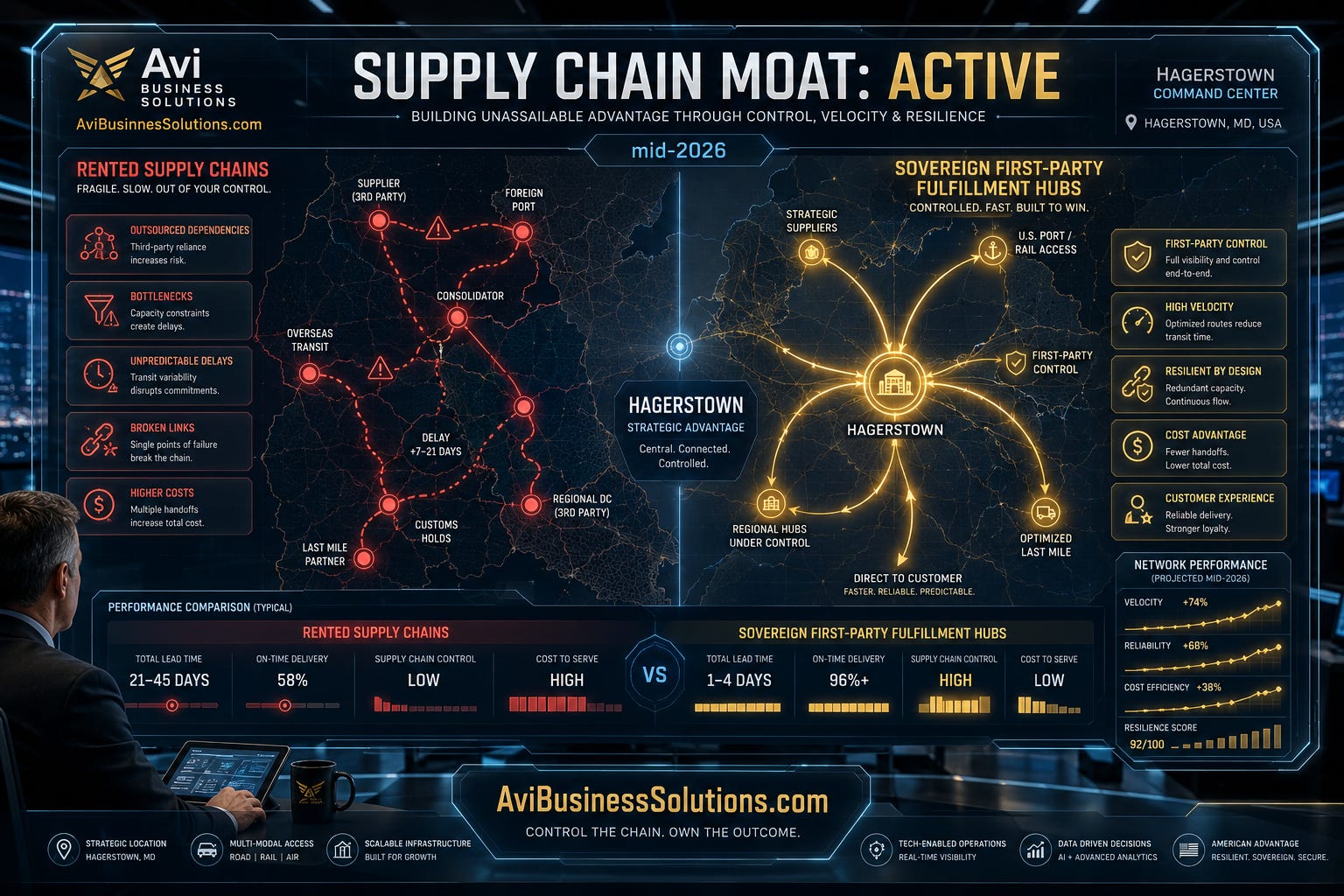
Imagine this: A customer places an order on your website. Instantly, your system checks inventory, reserves the product, updates your warehouse team, and schedules shipment—all without a single phone call or spreadsheet. If stock is running low, your supplier is alerted automatically. Your team can see, at a glance, exactly what’s happening at every stage. No more surprises, no more fire drills.
The Visual Analytic Matrix
To get there, you need more than just fancy software. You need a way to see your entire operation clearly—to spot where things are breaking down, and where you can improve. That’s where a visual analytic matrix comes in. Think of it as a high-resolution map of your logistics: it shows you which parts are smooth, and where the friction is highest (often highlighted in red on the diagram). With this tool, you can:
Identify bottlenecks before they become crises.
Coordinate teams across departments.
Track key metrics like throughput, error rates, and fulfillment times.
How to Start: Building Your Moat
You don’t have to overhaul everything overnight. Here’s a step-by-step roadmap to get started:
1. Map Your Current Processes
Take a hard look at how things move through your system. Where are the hand-offs? Where do delays happen? Who owns what?
2. Break Down the Silos
Start connecting your systems—digitally and operationally. Even simple integrations (like connecting your inventory software to your e-commerce platform) can make a huge difference.
3. Automate the Repetitive
Identify tasks that are repeated daily and look for ways to automate them. Barcode scanners, automated order tracking, and inventory alerts are a great place to start.
4. Visualize Your Data
Invest in dashboards or visual analytic tools that give everyone—from the warehouse floor to the executive suite—clear, real-time insights into what’s happening.
5. Train and Empower Your Team
The best technology in the world is useless without people who know how to use it. Make sure your team is trained and feels confident with new systems.
Real-World Results: What Success Looks Like
Companies that have made these changes report:
30-50% faster order fulfillment
90%+ inventory accuracy
Significant reduction in rush fees and error-related costs
Improved employee satisfaction (less “firefighting” and more strategic work)
Higher customer retention rates
And perhaps most importantly, they have the confidence to scale, expand into new markets, and weather unpredictable events (such as global supply chain disruptions).
Why Now?
The past few years have shown us that the old ways of doing business just don’t cut it anymore. Customer expectations are higher than ever, and competition is just a click away. If you’re still relying on manual processes and siloed systems, you’re not just at risk of falling behind—you’re already losing ground.
But here’s the good news: with the right mindset, the right tools, and a willingness to break down old habits, you can build a logistics engine that powers your business for years to come.
Final Thoughts: Don’t Let Inventory Drag Hold You Back
Inventory Debt Drag is real, but it’s not inevitable. By moving past manual, isolated processes and embracing a connected, automated, and visual approach to logistics, you can unleash your organization’s true potential.
So, what’s stopping you? The time to break the chains is now. Your future customers—and your bottom line—will thank you.
References
Christopher, M. (2016). Logistics & Supply Chain Management (5th Edition). Pearson.
A foundational text covering the importance of integrated supply chains and reducing operational silos.
Waller, M. A., & Fawcett, S. E. (2013). Data Science, Predictive Analytics, and Big Data: A Revolution That Will Transform Supply Chain Design and Management. Journal of Business Logistics, 34(2), 77-84.
Discusses the role of real-time data and analytics in improving inventory and logistics management.
Council of Supply Chain Management Professionals (CSCMP). “Supply Chain Management Terms and Glossary.” https://cscmp.org/
Authoritative definitions for key logistics and inventory management terms.
Harvard Business Review. (2021). “A More Human Approach to Inventory Management.” https://hbr.org/2021/07/a-more-human-approach-to-inventory-management
Explores people-centric strategies for improving warehouse and supply chain operations.
World Economic Forum. (2022). “The Future of Work in Supply Chain Management.” https://www.weforum.org/agenda/2022/05/the-future-of-work-in-supply-chain-management/
Discusses the evolving role of technology and people in logistics.
The Hackett Group. (2023). “Digital World-Class Supply Chain Performance.”
https://www.thehackettgroup.com/
Industry report on leading practices and outcomes in digital supply chain transformation.
Ghadge, A., Dani, S., & Kalawsky, R. (2012). Supply Chain Risk Management: Present and Future Scope. International Journal of Logistics Management, 23(3), 313-339.
Addresses the need for resilience and connected systems in supply chain management.
#SupplyChain #Logistics #InventoryManagement #BusinessGrowth #WarehouseTips #PeoplePowered #SmoothOperations #BetterBusiness